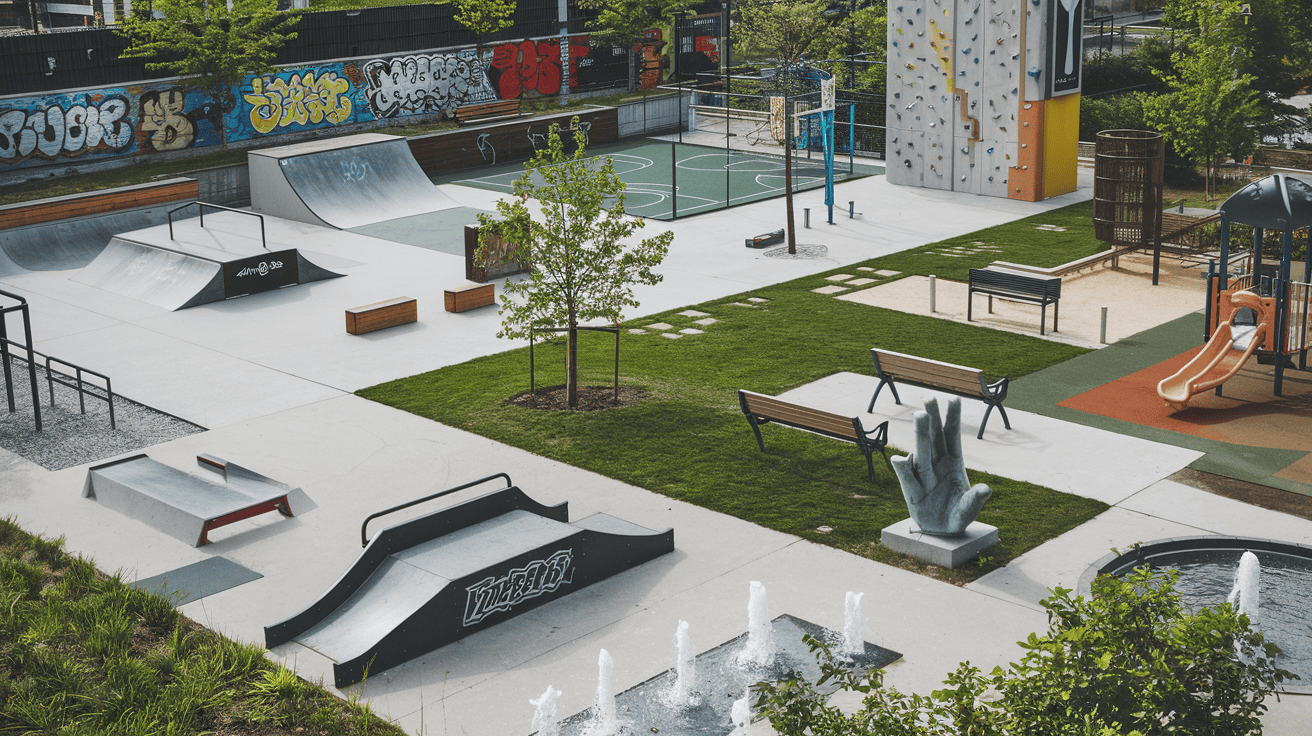
Urban & Backyard Play: Designing Inclusive & Engaging Spaces
The landscape of childhood play has undergone a remarkable transformation. No longer are simple swings and a slide sufficient to captivate young imaginations for hours. Today, the focus is on creating truly innovative play areas – dynamic, multifunctional spaces designed with purpose, fostering holistic development, and encouraging engagement far beyond mere entertainment. From bustling urban parks that champion physical activity to serene backyard retreats that spark creativity, the evolution of play spaces reflects a deeper understanding of children's needs.
As urban environments become increasingly dense, the challenge intensifies: how do we craft accessible, inclusive, and stimulating play areas for every child? This exploration delves into the shifting philosophies behind modern play design, emphasizing safety, developmental benefits, and the critical role play holds in shaping a child's future. For parents, city planners, and even real estate developers, understanding how these thoughtfully designed spaces impact growth is paramount.
The Evolution of Play: More Than Just Fun
The journey of play areas from basic recreational spots to sophisticated developmental hubs is a testament to evolving educational and psychological insights. Early playgrounds, while offering physical outlets, often lacked the intentional design seen today. Modern innovative play areas, however, are meticulously crafted to stimulate a wide array of developmental domains. They move beyond the concept of "just for fun" to become essential environments for learning and growth, laying a robust foundation for healthy physical, social, emotional, and cognitive development.
Central to this evolution is the understanding that play is a powerful catalyst for problem-solving and critical thinking. When children engage with diverse play environments, they encounter challenges that demand creative solutions. Imagine a child navigating a complex climbing structure or collaborating to build an elaborate fort; these activities compel them to evaluate options, strategize, and understand consequences. This self-directed learning, devoid of academic pressure, cultivates independent thinking and sharpens decision-making skills that are invaluable in real-life scenarios. For a deeper dive into how play fosters comprehensive growth, consider reading Beyond Swings: Innovative Play Areas for Holistic Child Growth.
Critical thinking flourishes as children assess their surroundings and make informed choices. In a dynamic play setting, children frequently encounter situations requiring them to weigh risks—like deciding the safest way down a slide or navigating an uneven surface. This constant evaluation and prediction of outcomes is a hallmark of truly exploratory play and is instrumental in developing crucial cognitive abilities. Such environments, far from being static, are designed to evolve with the child, offering continuous novel challenges.
Key Principles for Designing Innovative Play Areas
Creating truly impactful play spaces requires adherence to several core principles that transcend mere aesthetics. These guidelines ensure that every innovative play area maximizes its potential for child development and community enrichment.
- Inclusivity & Accessibility: A truly innovative play area welcomes every child, regardless of age, ability, or developmental stage. This means incorporating features like ramp access, sensory play elements (textured surfaces, sound installations), quiet zones for children needing calm, and varied equipment that can be enjoyed by children with diverse physical or cognitive needs. Universal design principles are key to ensuring all children can participate and thrive.
- Engagement & Challenge: Modern play spaces move beyond repetitive activities. They integrate features that encourage exploration, open-ended play, and age-appropriate physical and cognitive challenges. Think climbing nets with multiple routes, water play features that allow experimentation, or loose parts (sand, blocks, natural materials) that invite endless reconfiguration. The goal is to stimulate curiosity and encourage sustained engagement.
- Natural Integration: Bringing nature into play is a powerful trend. Incorporating natural elements like sand, water features, varying topography (mounds, slopes), rocks, logs, and diverse plant life provides rich sensory experiences and connects children with the environment. Nature play fosters creativity, risk assessment, and a deeper appreciation for the outdoors.
- Safety through Thoughtful Design: While safety is always paramount, it shouldn't stifle challenging play. Innovative play areas integrate safety seamlessly through appropriate fall surfacing, clear sightlines for supervision, and equipment designed to minimize hazards without overly restricting exploration. The aim is to allow children to experience perceived risk in a controlled environment, fostering confidence and a healthy understanding of boundaries.
- Sustainability: Prioritizing eco-friendly and durable materials, sourcing locally, and designing for longevity are crucial. Sustainable play areas not only reduce environmental impact but also often offer more natural and tactile experiences for children.
Urban Play: Maximizing Space and Impact
In densely populated cities, the creation of innovative play areas presents unique challenges and exciting opportunities. Limited space demands creative solutions that optimize every square foot, transforming previously underutilized areas into vibrant hubs of child activity.
Urban planners are increasingly exploring multi-functional spaces, where play areas seamlessly integrate with other community amenities. This might include:
- Pocket Parks: Small, strategically placed parks that offer concentrated play opportunities within residential blocks.
- Rooftop Playgrounds: Utilizing vertical space, these innovative areas provide safe, enclosed environments with unique views and often integrate sensory gardens.
- Integrated Street Furniture: Benches that double as climbing elements, planters with interactive features, or public art that invites tactile engagement.
- Pop-Up Play: Temporary installations that bring play to unexpected places, transforming vacant lots or street closures into dynamic play zones.
Accessibility in urban settings goes beyond physical access; it's about equitable access for all communities. This involves strategic placement of play areas within walking distance of diverse neighborhoods and ensuring that designs cater to the specific cultural and social dynamics of those communities. Engaging residents in the design process is vital for creating spaces that truly reflect and serve their needs. For more insights on how these smart designs cultivate cognitive abilities, explore Smart Play Areas: Cultivating Critical Thinking in Children.
The ingenuity in urban play often lies in its ability to inspire collective activity and social interaction, fostering a sense of community ownership and pride.
Backyard Bliss: Creating a Personal Play Haven
The desire to craft an ultimate play experience isn't limited to public spaces; it extends to the home. Designing a backyard play area allows for a highly personalized and creative approach, blending functionality with aesthetic appeal to transform an outdoor space into a haven of adventure and imagination.
When conceptualizing a backyard play zone, consider creating distinct areas for various activities, catering to different moods and developmental needs:
- Active Zones: Incorporate elements for physical exertion like climbing structures, swings, monkey bars, or even a small zipline. If space allows, a mini sports court for basketball or soccer can be a fantastic addition.
- Imaginative Play Nooks: Think beyond off-the-shelf playhouses. A DIY mud kitchen, a simple teepee or tent, a designated sandpit, or even a collection of large logs and branches can spark endless imaginative scenarios. These open-ended elements encourage storytelling and role-playing.
- Quiet Retreats: Every child benefits from a space to unwind. A cozy reading nook under a tree, a simple hammock, or a small sensory garden with fragrant herbs can provide a calming escape for introspection or quiet play.
- Natural Elements: Even a small backyard can benefit from natural integration. Consider planting a small patch of native plants, adding a water table, or incorporating natural materials like pebbles, bark, and wooden stumps for building and exploration.
Budget-friendly DIY projects can yield incredible results. Repurposed tires can become swing seats or climbing elements; pallets can be transformed into forts or raised garden beds; and simple wood scraps can fuel endless construction projects. The key is to blend functionality with creativity, ensuring the play area not only entertains but also enhances your backyard's overall aesthetic.
When selecting equipment or materials, always consider your child's age, interests, and developmental stage. Prioritize durable, weather-resistant materials and ensure proper installation for safety. Regularly inspect the area for wear and tear, and adapt it as your child grows to maintain its engaging appeal.
Conclusion
From expansive urban parks to intimate backyard sanctuaries, the design of innovative play areas is a critical endeavor that profoundly impacts the well-being and development of children. By embracing principles of inclusivity, dynamic engagement, natural integration, and thoughtful safety, we create spaces that go far beyond mere entertainment. These environments are vital for fostering physical prowess, social skills, emotional intelligence, and crucial cognitive abilities like problem-solving and critical thinking.
As communities continue to grow and evolve, the commitment to designing and investing in such meaningful play spaces becomes ever more important. It's an investment not just in swings and slides, but in the future generations—equipping them with the skills, confidence, and joy derived from purposeful play. Let's continue to champion the creation of innovative, engaging, and inclusive play areas, ensuring every child has the opportunity to explore, learn, and thrive.